
How to Create a Monthly Budget in India: A Practical Guide
A step-by-step framework to take control of your salary, track UPI spending without friction, master the 50-30-20 rule, and build financial stability in Indian households.

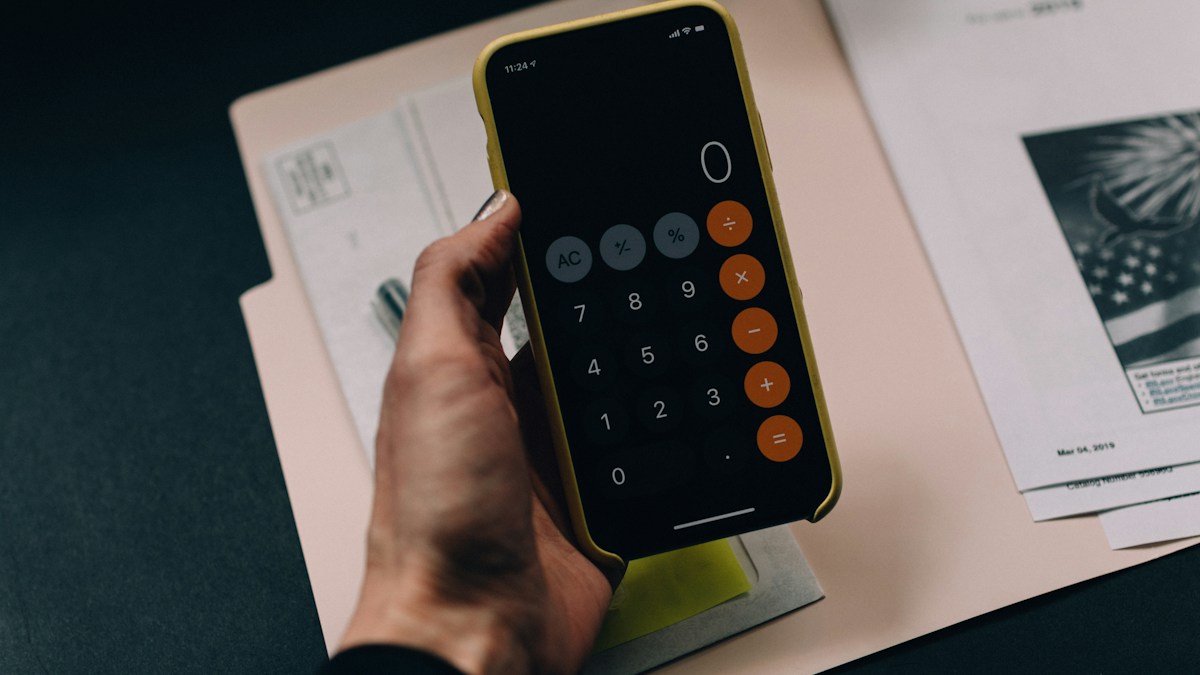
For many salaried professionals and young earners in India, the monthly financial cycle follows an exhausting script: salary credits on the 1st, a burst of optimism and shopping during the first week, followed by steady anxiety by the 20th, and an agonizing wait for the next salary credit. With seamless UPI scans and quick-commerce delivery apps like Blinkit, Zepto, Swiggy, and Zomato, money evaporates faster and more quietly than ever before.
Budgeting is not about living an austere life or cutting out your weekend chai with friends. Instead, a practical monthly budget simply gives every rupee a dedicated assignment before the month begins. When you tell your money where to go, you stop wondering where it all went.
A budget is not a restriction on your freedom; it is a permission slip to spend guilt-free on things you truly value, while guaranteeing that your savings, bills, and emergency cushions are funded first.
Why Budgeting Matters Specifically in the Indian Context
Unlike Western economies where predictable social safety nets, institutional health cushions, and standardized pension schemes are common, Indian personal finance demands greater self-reliance. Several unique socioeconomic dynamics make budgeting crucial for Indian households:
- Rising Urban Inflation: Education costs, quality healthcare, rent in Tier-1 cities (Bengaluru, Mumbai, Delhi-NCR, Pune, Hyderabad), and household essentials routinely escalate at rates higher than official headline CPI inflation.
- The Frictionless UPI Paradox: The Unified Payments Interface (UPI) is a technological marvel, but scanning a QR code removes the psychological friction of handing over physical cash. Small ₹50, ₹120, and ₹300 micro-transactions add up to ₹8,000–₹12,000 per month without leaving a tangible memory.
- Dual Financial Responsibilities: Many young Indian earners belong to the "sandwich generation" — supporting ageing parents who may not have independent retirement pensions while simultaneously saving for their own marriages, homes, or children's education.
- Lack of Structured Emergency Safety Nets: In India, sudden medical emergencies or temporary job losses fall squarely on personal savings and private insurance. Without an active budget, an emergency quickly forces families into high-interest personal loans or credit card debt traps.
The 50-30-20 Budgeting Rule Customized for India
The 50-30-20 rule, popularized by Senator Elizabeth Warren, is one of the cleanest starting points for personal budgeting. However, applying it blindly without adjusting for Indian metropolitan living costs often leads to frustration. Let’s break down how this rule works realistically in the Indian context:
1. 50% for Needs (Essential Non-Negotiables)
Needs are expenses you cannot avoid without severe immediate consequences. In Indian cities, these typically include:
- House rent or home loan EMI
- Monthly grocery supplies (kirana stores, staples) and milk
- Utility bills (electricity, piped gas, Wi-Fi, mobile recharges)
- Commute costs (metro card recharge, petrol, bus pass)
- Mandatory insurance premiums (health insurance and pure term insurance)
- Children’s school tuition fees and daycare
In cities like Mumbai or Bengaluru, housing rent alone can consume 35% to 40% of a fresher’s salary. If your Needs exceed 50%, temporarily adopt a 60-20-20 split (60% Needs, 20% Wants, 20% Savings) until your income increases or housing costs can be shared with roommates. Never compromise the 20% savings component.
2. 30% for Wants (Lifestyle and Discretionary Spending)
Wants are choices that enhance your quality of life but are not strictly vital for survival. You could survive without them if circumstances turned dire:
- Dining out, weekend cafés, and food delivery apps
- OTT streaming subscriptions (Netflix, Prime Video, Hotstar, Spotify)
- Clothing, footwear, and consumer electronics upgrades
- Weekend getaways, travel, and festive holiday shopping (Diwali, Eid, Christmas)
- Hobbies, gym memberships, and salon visits
3. 20% for Savings and Wealth Creation
This 20% must be treated as a mandatory payment to your future self. It is allocated toward:
- Building and topping up your liquid emergency fund
- Systematic Investment Plans (SIPs) in diversified equity index funds or mutual funds
- Voluntary debt prepayment (clearing outstanding credit card balances or personal loans)
- Tax-saving long-term retirement instruments (PPF, EPF voluntary contributions, NPS)
Sample Indian Budget Breakdowns
To visualize how this looks in practice, here is a practical allocation table for two common monthly take-home salary brackets in India:
| Category | Monthly Take-Home: ₹40,000 | Monthly Take-Home: ₹80,000 |
|---|---|---|
| Needs (50%) | ₹20,000 (Rent/PG, food, utilities, commute) | ₹40,000 (1BHK/2BHK rent, groceries, bills, health cover) |
| Wants (30%) | ₹12,000 (Socializing, outings, subscriptions) | ₹24,000 (Dining, weekend trips, shopping, gadgets) |
| Savings & Debt (20%) | ₹8,000 (Emergency fund + Index Fund SIP) | ₹16,000 (Emergency fund + SIPs + PPF/NPS) |
How to Track Expenses Without Getting Overwhelmed
Most budgeting systems fail within 45 days because people try to log every single ₹10 tea or ₹20 auto-rickshaw fare manually into complicated mobile applications. The mental fatigue leads to abandoning the habit altogether. Instead, use practical tracking systems built around the modern Indian banking landscape:
1. The Two-Account Banking Architecture
The single most effective budgeting hack for salaried Indians is opening two separate savings bank accounts:
- Account A (Inflow & Commitments): Your salary lands here. On the 1st or 2nd of the month, all fixed non-negotiables (rent, EMIs, utility auto-debits, insurance) and your automated investment SIPs are deducted directly from this account. Never link your primary daily UPI QR scanner to this account.
- Account B (Daily Spending & Discretionary): On salary day, transfer your exact 30% "Wants" budget into Account B. Connect Google Pay, PhonePe, or Paytm exclusively to Account B. When this account balance reaches zero, discretionary spending stops until the next month. This creates a hard physiological boundary without manual tracking headaches.
2. Auditing Monthly UPI and Bank Statements
At the end of each month, download your bank statement in PDF or Excel format, or check the "Insights / Spending Analytics" tab inside apps like Google Pay or your net banking dashboard (HDFC SmartHub, ICICI iMobile, Axis Mobile). Tag large recurring leaks:
- Food delivery surges on late-night orders
- Unused recurring digital subscriptions on Apple App Store or Google Play
- Impulsive e-commerce purchases during festive flash sales
Setting Up Your Emergency Fund: Your Financial Bulletproof Vest
An emergency fund is the foundational cornerstone of personal finance in India. Before allocating money to high-risk stocks, crypto, or long lock-in real estate, you must have an accessible liquidity reserve.
How Much Do You Need?
A standard rule of thumb is 3 to 6 months of mandatory living expenses (your "Needs" amount, not your full salary). If your basic monthly survival cost (rent, food, loans, insurance) is ₹30,000, your emergency fund target is between ₹90,000 and ₹1,80,000.
If you are a freelancer, contract worker, or have single-income dependants with high healthcare needs, aim higher: 6 to 9 months of living expenses.
Where Should You Park Your Emergency Fund in India?
Emergency money is not meant to generate high returns; its sole purpose is instant accessibility and capital preservation. Do not lock it in equity mutual funds or volatile stocks. Instead, use a tiered liquidity approach:
- Tier 1 (Instant Access - 20%): High-yield savings bank account with instant ATM/UPI access for immediate midnight hospital admissions or travel emergencies.
- Tier 2 (Same-Day Access - 40%): Auto sweep-in Fixed Deposits (sweep FDs) linked to your primary bank account, which earn FD-level interest rates (6.5%–7.5%) but break automatically if your balance dips below a threshold without penalty.
- Tier 3 (Next-Day Access - 40%): SEBI-regulated Debt Liquid Mutual Funds from top-tier fund houses (investing in sovereign Treasury bills and commercial paper). These offer T+1 business day redemption and historical stability.
5 Common Budgeting Mistakes Indian Earners Make
Even with the best intentions, beginners frequently stumble over avoidable mental traps. Be vigilant against these five common missteps:
1. Forgetting Irregular and Annual Expenses
Many people budget purely for 30-day monthly cycles and get blindsided when annual car insurance, term insurance premiums, festival gifting during Diwali, or family wedding travels arrive. Solve this by creating a "Sinking Fund" — divide your estimated annual irregular expenses by 12 and set that amount aside monthly.
2. Treating Investments as an Afterthought
Traditional financial habit says: Income – Expenses = Savings. This almost always leaves zero savings at the end of the month. Invert the equation using Warren Buffett’s principle: Income – Savings = Expenses. Schedule your SIPs and recurring deposits to auto-debit on the 3rd or 5th of each month, right after salary day.
3. Extreme and Unrealistic Frugality
Cutting out every single cup of coffee, movie outing, or dinner with colleagues will cause budget fatigue within two months. A sustainable budget must allocate room for enjoyment. The 30% "Wants" bucket exists precisely so you can enjoy your hard-earned money without guilt.
4. Relying on Credit Card Minimum Due Payments
Paying only the "Minimum Amount Due" on your credit card statement keeps you in good standing with the bank on paper, but interest rates on revolving balances in India range from 36% to 48% per annum (APR). Always pay the Total Amount Due in full before the due date.
5. Failing to Revisit the Budget When Life Changes
A budget is a living document. When you switch jobs with a salary hike, get married, welcome a child, or relocate to a new city, sit down and recalibrate your percentages. Avoid "lifestyle creep" by directing at least 50% of every salary increment straight into your investment bucket.
Your Action Plan for This Weekend
You do not need complicated financial software to begin. Take these three concrete steps this coming weekend:
- Download your last 3 months of bank statements and calculate your average monthly take-home income and essential expenses.
- Set up an automated SIP or recurring deposit for at least 10% to 20% of your salary on the 5th of every month.
- Separate your daily UPI spending from your core salary account using the two-account architecture to instantly curb impulse leakage.
Remember, budgeting is not a one-time test you pass or fail; it is an ongoing practice that builds lifelong financial resilience and peace of mind.
Related Articles

Understanding Your CIBIL Credit Score: What It Means & How to Improve It
Discover how your credit score is calculated in India, the 5 key factors that impact it, and practical steps to hit a 750+ score.

Mutual Funds for Beginners in India: Everything You Need to Know
A beginner-friendly guide to mutual fund types, SIP compounding, risk profiling, direct plans, and how to start investing online.

UPI and Digital Banking in India: A Complete Guide
Master UPI transaction safety, daily limits, dispute resolution, and understand differences between IMPS, NEFT, and RTGS.